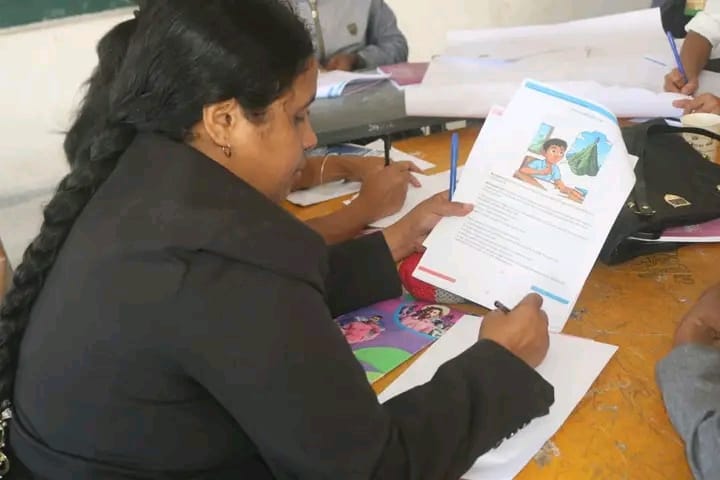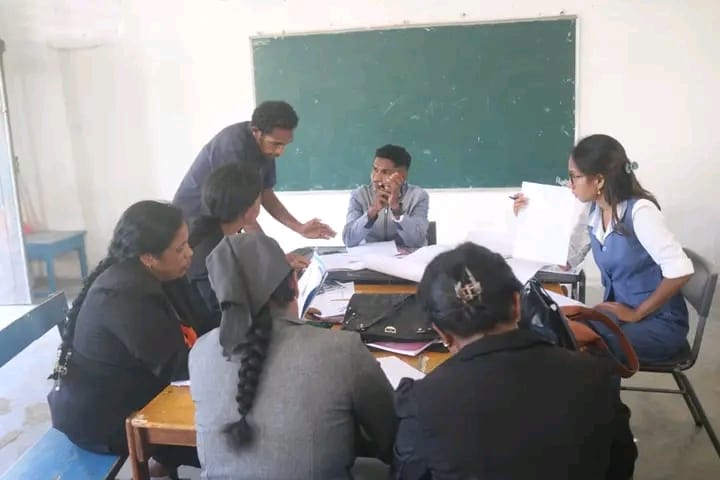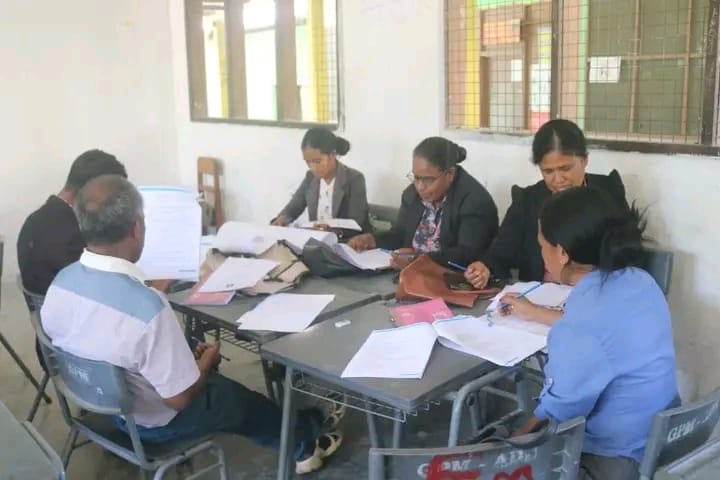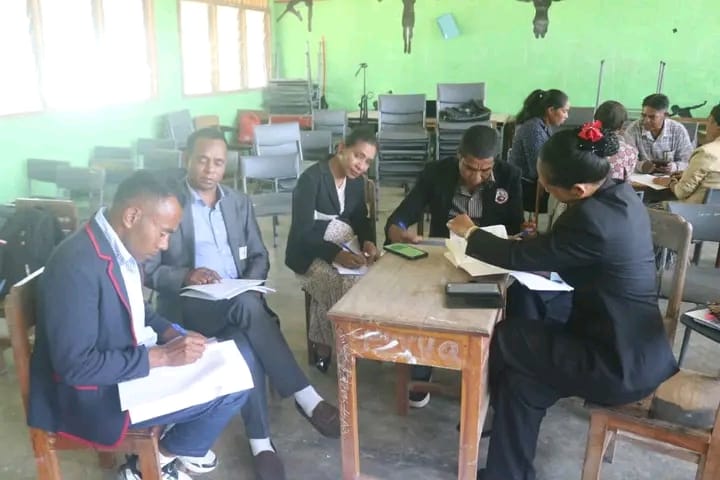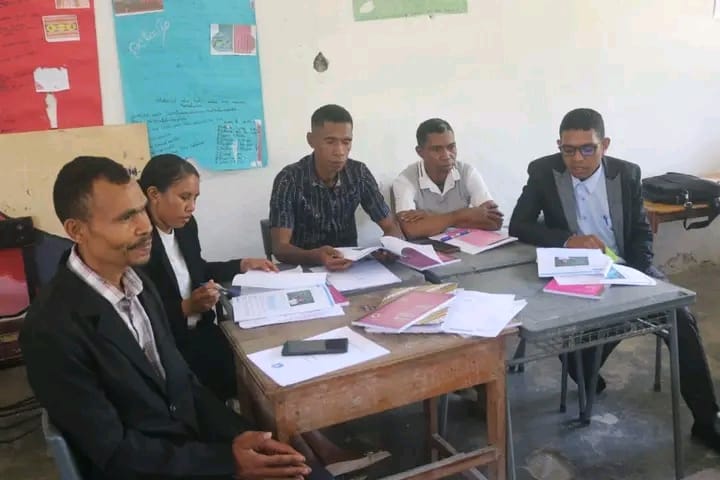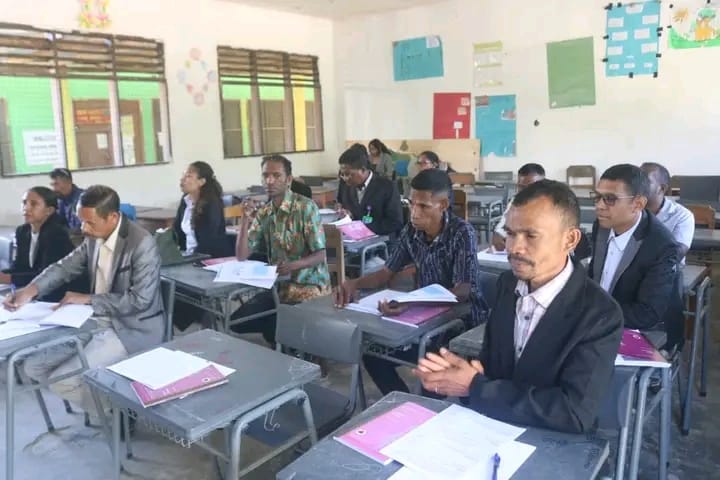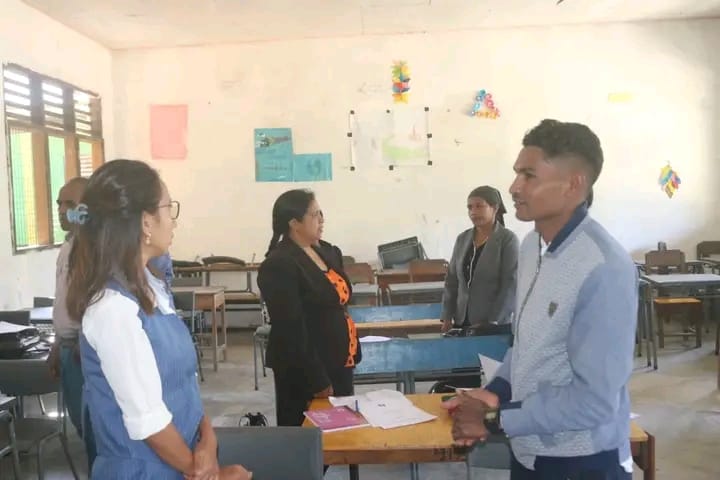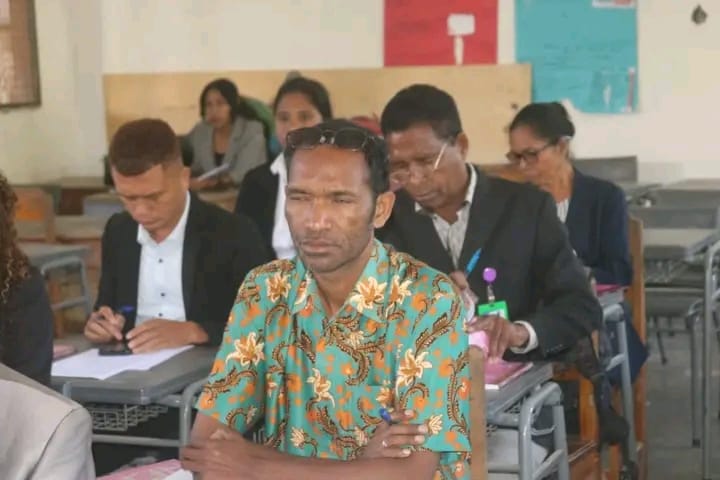
Ermera, October 2, 2026 — The Ministry of Education continues to implement its basic education curriculum reform—with a focus on the 8th grade—by incorporating social research projects into the teaching and learning process. The initiative aims to develop students’ skills in research, analysis, and the resolution of problems present within their communities.
During the “Phase III” training program held in the Municipality of Ermera, Social Sciences instructor Leandro Fernandes Casimiro explained that social research enables students to identify community issues, collect and analyze field data, and propose solutions.
According to the instructor, this approach aligns with 21st-century competencies and offers students a more practical learning experience, encouraging them to take an active role as researchers and gain a deeper understanding of the reality of their own communities.
The training also provides teachers with guidance on methodologies for preparing and supporting students throughout their research—from formulating questions and collecting data to analyzing and presenting their findings.
Marcelo Meneses da Silva, a teacher at EBF No. 216 Peorema, noted that social research activities are essential for developing students’ ability to analyze problems and devise solutions, while also preparing them for future academic pursuits.
The Phase III training took place from September 30 to October 2, 2026, with the participation of 131 8th-grade teachers: 35 specializing in “Human Fraternity,” 41 in Social Sciences, and 37 in the Tetum language.